
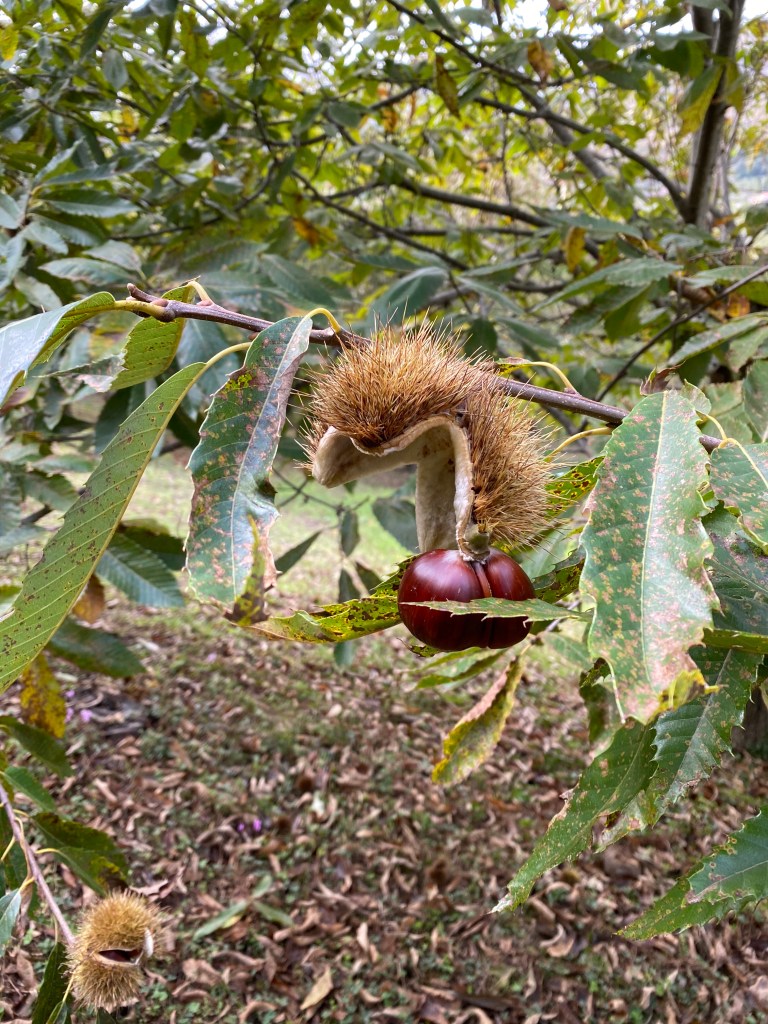
Leaving the heat and sun behind us, we enter the autumn with the fruit of the season par excellence, the undisputed king of fairs and markets in the hilly areas: chestnuts.
The Chestnut, in the peasant tradition represents “the bread of the poor”, for its low cost and the diffusion among the rural population, they are a very versatile food and can be tasted in different ways: roasted on the fire, boiled, baked in the oven and dry, depending on whether you prefer soft or crunchy, they are also excellent for the bone system as they are rich in minerals, vitamins, but also in sugars, moreover, as they do not contain gluten, they can be consumed by celiacs without any problem.
In fact, chestnut flour is often used for the preparation of dietary products intended for those suffering from celiac disease and, for those who love to cook and experiment in the kitchen, it can be used in numerous sweet and savory gluten-free recipes, from cakes and plumcakes to pasta. fresh and sandwiches, in combination with other gluten-free flours, such as corn and rice flour.
The chestnut harvest: it is a wonderful opportunity to spend days with family or friends, between walks and picnics in their purest form. In fact, a walk through the autumn-dyed woods always manages to release the accumulated negative energies.
Collecting chestnuts is what can be defined as 2 birds with one stone. Luckily permitting, it gives the opportunity to loom in the discovery of some greedy porcini mushrooms to perhaps add to a classic savory pie. On the other hand, the two plants have always been in perfect symbiosis. Where there is chestnut there is porcino.
Throughout the boot the varieties of chestnuts are really many, small, large, large or giant, they are divided into two macro-categories: browns and chestnuts.
Harvesting begins at the end of September and continues until the last week of October. The fruits are harvested by recovering the urchins fallen on the ground and not hitting the branches of the tree !!!. Yes exactly. The tree drops the fruit once it reaches the right ripeness.
Did you know that chestnuts are false fruits? Yes: the real fruit is represented by the hedgehog!
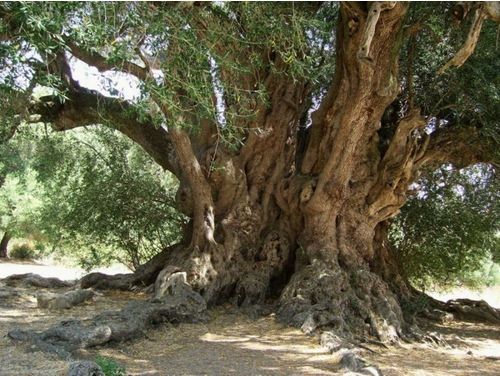
The chestnut is a tree over a hundred years old. It is thought that the Romans introduced the plant in Italy and Europe, but it was in the Middle Ages that the tireless work of the monks made it possible to create vast cultures in the mountains and hills. And it is a chestnut tree that is one of the longest-lived plants in Italy. More precisely, it is the Chestnut of the Hundred Horses, which began to germinate in the Etna natural park over 3000 years ago. The tree, considered the most famous and largest in Italy, is the subject of one of the oldest acts of naturalistic protection, if not the first of its kind. In 1982 it was included in the Italian heritage of green monuments, and is in the first 150 with high historical and monumental value.
It is Cilento, the kingdom of chestnuts (marroni), with an average production of 250,000 quintals per year of the Nzerta and Abate varieties. They feed the pastry industry in the varied range of offers. A considerable quantity is destined for drying and marketing like the priest’s chestnuts, which, roasted and smoked in the chimney, are consumed especially at Christmas. Producer cooperatives with hundreds of active members for over a decade or so export the product, fresh and processed also to the United States.
And in the explosion of ecotourism, chestnut groves are an environmental resource to be enhanced and discovered for those who venture from the coast of Paestum to discover the inland areas of the Cilento with the destination Roccadaspide and Stio, Magliano, Monteforte and Trentinara, but not only, as for those that from Ascea, Pisciotta, Palinuro and Marina di Camerota, San Giovanni a Piro and Scario point to the unspoiled landscapes of the villages perched on the slopes of Antilia and Centaurino: Cuccaro Vetere, Futani and Montano, first of all.
It is one of the many pleasant surprises of that treasure chest that is the Parco del Cilento, Vallo di Diano and Alburni.

 Villanis Mario